6
High
9 amNoon3 pm
Strong sun until 4 pm. Keep direct sun short and use shade.
Live UV where you are, a protection check tuned to your skin, and sunscreen reminders that keep up with the day.

For iPhone & Apple Watch
The toolkit
The index where you are, its category and today’s peak — with the source and how fresh the reading is shown beside it.
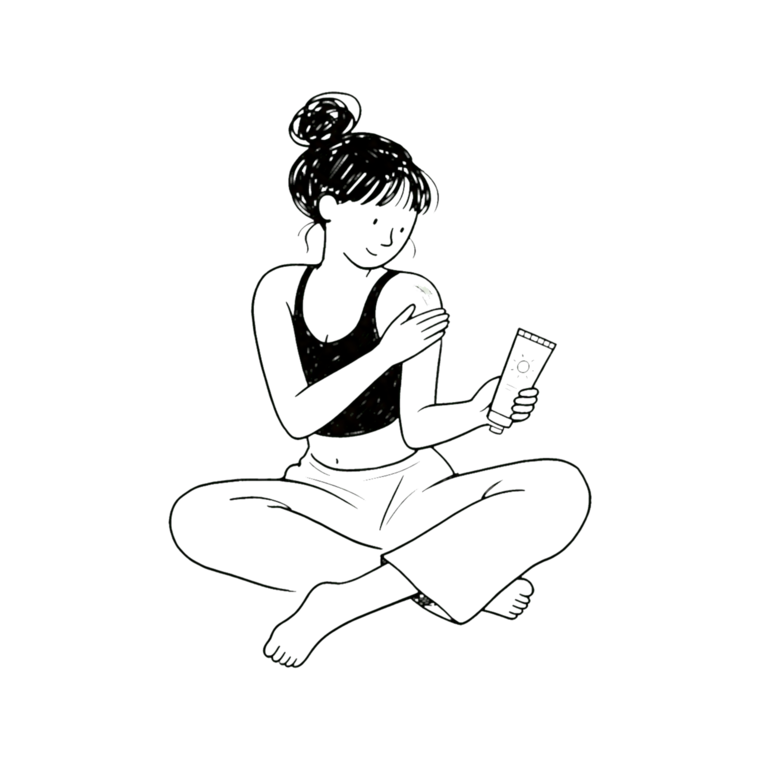
Your skin type, SPF, clothing and the current conditions become one clear thing to do next.
Two hours at most, and sooner after swimming, sweating or towel-drying. Reapplying never resets your time outside.
Start an outing and Soleil keeps elapsed time, each person’s cover and their reminders together. Daily Glow adds an optional guided routine.
Profiles for everyone you look after, each with their own skin type and their own reapply reminders.
Time in Daylight from your Watch, drawn against the day’s UV curve.
How it works
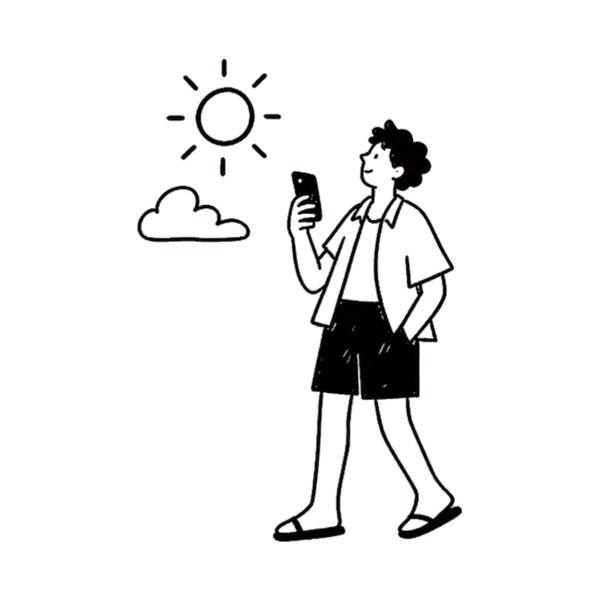
See the live UV index, its category and when today peaks.

Set skin type, SPF, clothing and shade. The protection check adjusts.
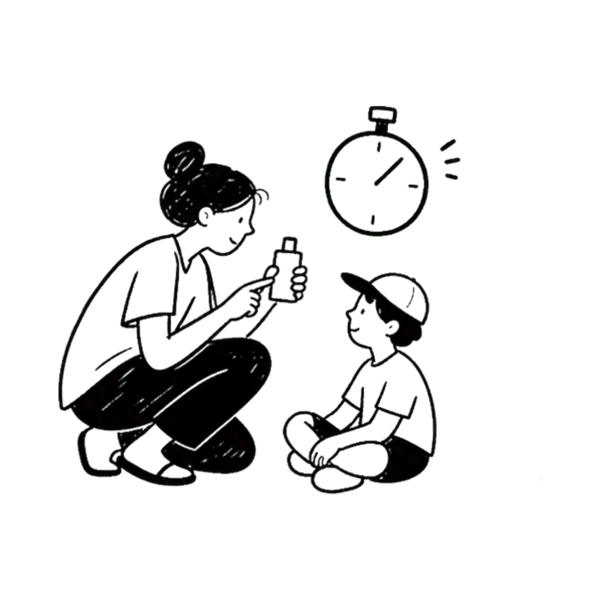
Start the Sun timer for whoever is outside and keep sunscreen timing organised.
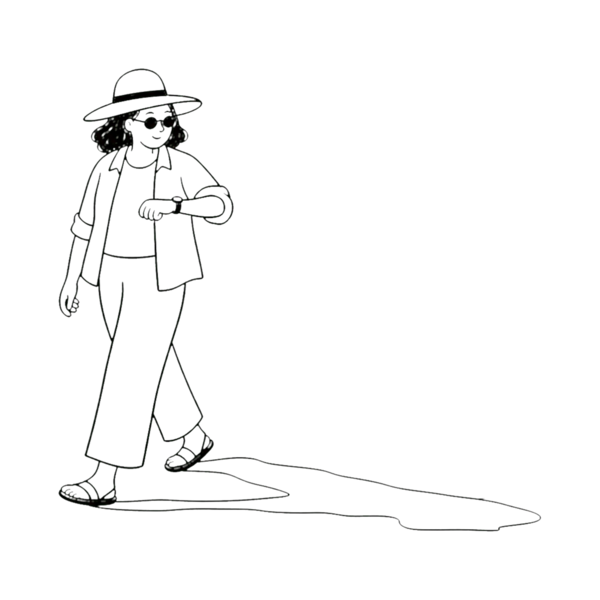
Look back at when your daylight actually happened.
UV now
No dashboard to decode. Your Day opens on the live UV index for where you are.
UV and conditions come from Apple WeatherKit, with the source and time of the reading shown.
The hourly curve shows when the strong part of the day arrives — before you go out in it.
Your skin type and SPF turn the reading into a timely protection check. Soleil never presents time as permission.
Every kind of day
and the everyday bits between
Why Soleil
Everything Soleil learns about your sun stays yours: on your iPhone, and in your own private iCloud if you sync. No account to make, no analytics, no advertising, no cross-app tracking.
Wellness guidance, not medical advice
Real Sun
Daylight early in the day lands while UV is still low.
Around midday the index reaches today’s high. Soleil shows how much of your daylight happened here.
Late daylight sits on the falling side of the curve.
Real Sun reads Apple Watch Time in Daylight with your permission. Soleil never writes to Health, and daylight is never presented as an allowance.
Questions
It depends on the live UV index and your Fitzpatrick skin type: roughly 15 minutes for very fair skin at UV 6, over an hour for deeper tones. Soleil shows the live UV and turns it into a timely protection check rather than a countdown.
Read all the sun guidesBelow UV 3 is low risk for most people. From UV 3 upwards, the WHO recommends protection: shade, clothing and sunscreen. Soleil tells you plainly when your local UV crosses that line.
Read all the sun guidesColour develops from about UV 3, and a moderate index of 3–5 lets skin respond gradually with lower burn risk. No UV tan is risk-free; pacing and never burning are what matter.
Read all the sun guidesAt least every two hours, and immediately after swimming, heavy sweating or towel-drying. Soleil schedules reapply reminders per person, sooner when you log water or towelling. Reapplying never resets your time outside.
Read all the sun guidesIn summer, about 10–30 minutes of midday sun on forearms a few times a week for lighter skin; longer for deeper tones. Soleil deliberately doesn’t turn sunlight into vitamin D numbers; it records your real time outside instead.
Read all the sun guidesLive UV, a protection check for your skin, and reminders that keep up with the day.
iPhone & Apple Watch
No account. No tracking. Your history stays on your devices and in your own iCloud.